Emmanuel de Merode’s Bodhisattva Path
In today’s high stakes capitalist environment, we often mistake power for the accumulation of things—titles, assets, the roar of a crowd. But tucked away in the verdant, mist-shrouded volcanic peaks of the Democratic Republic of Congo, a different kind of raj path is being defined. It is a nobility of the soul, one that echoes the ancient, rhythmic footsteps of Buddhim’s Siddhartha Gautama.
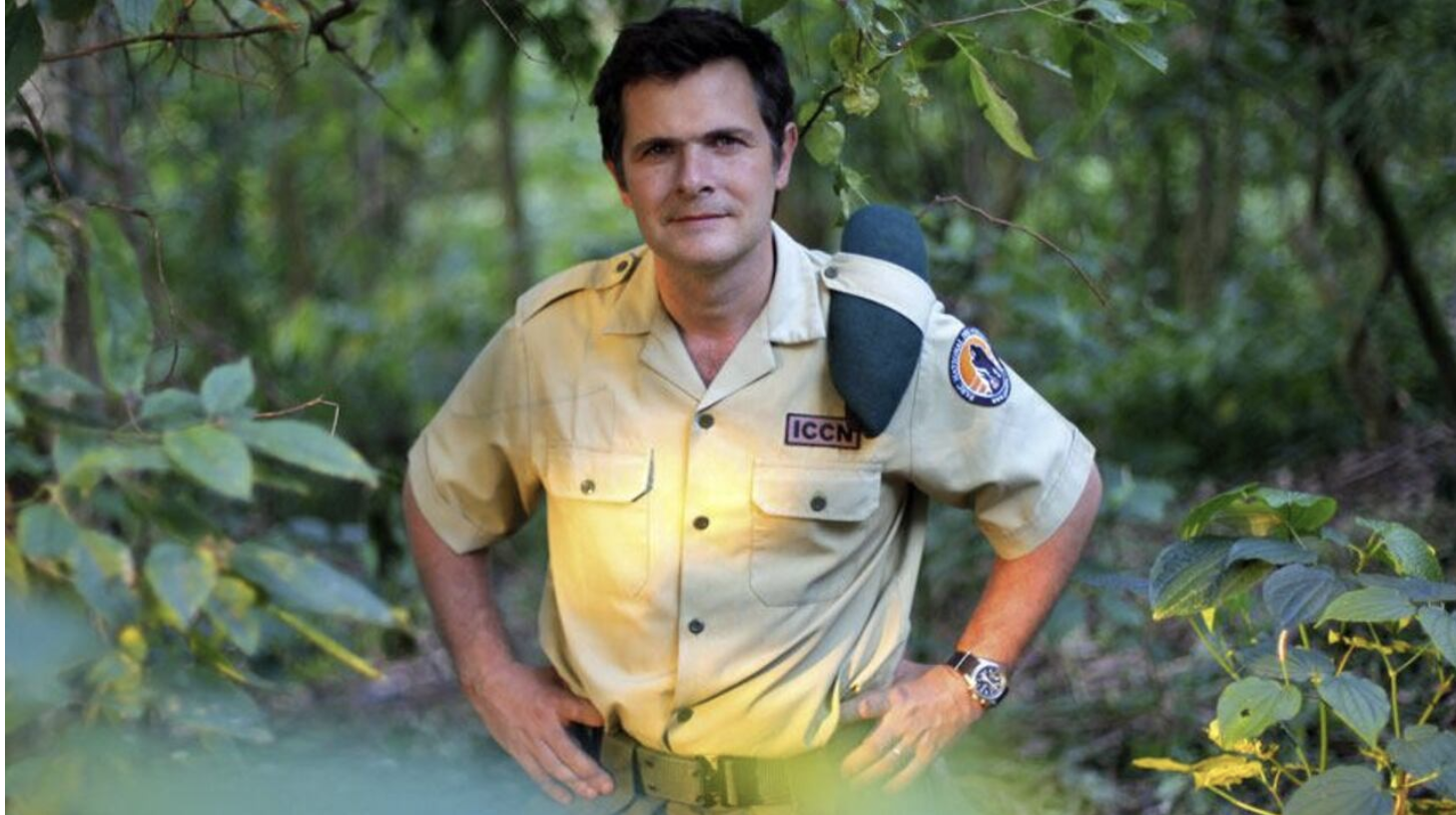
Emmanuel de Merode was born into the House of Merode, one of the most storied princely families in Europe. By birthright, his life was a map of gilded corridors and diplomatic ease. Yet, like the young Siddhartha stepping beyond the palace gates to confront the reality of suffering, de Merode chose to shed the "Prince" prefix. He traded the velvet of the Belgian aristocracy for the khaki drab of a park warden’s uniform, embarking on a quest not for personal nirvana, but for the salvation of a prehistoric nature sanctuary: Virunga National Park.
The Renunciation of the Gilded Cage
The story of the Buddha is, at its heart, a narrative of radical abandonment. To find the Truth, he had to leave the throne. De Merode has performed a modern-day mirror of this renunciation. He does not use his royal title; he does not seek the spotlight of the socialite. Instead, he has spent decades deep in the forest, engaged in a form of Bhakti service—a yoga of devotion where the "divine" is found in the heartbeat of the land and the breath of the mountain gorillas he protects.
This is not a quiet, contemplative retreat. Virunga is a landscape under siege. While the Buddha faced the illusions of Mara, de Merode faces the very real, very lethal machinations of multinational oil and mining interests. These corporate titans, flanked by private security firms that operate with the cold efficiency of shadow armies, seek to disembowel the park for its resources.
In response, de Merode has become a warrior-monk for the 21st century.
Leadership as Sacred Sacrifice
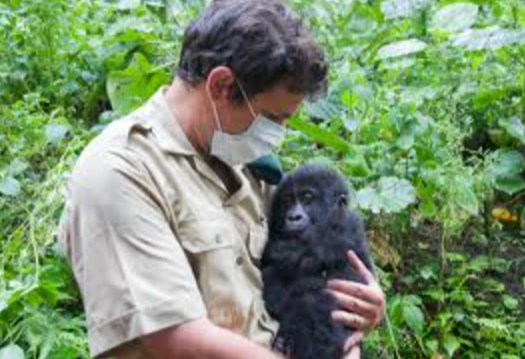
Leading Virunga is less like managing a non-profit and more like commanding a frontline defense. De Merode oversees 700 rangers—men and women who stand as the thin green line between extinction and survival. This is leadership in its most evolved form: leading from the front, where the stakes are life and death.
In 2014, de Merode was ambushed and shot on the road from Goma to Rumangabo. In the mythic arc of the Buddha, miracles are performed to heal the world. In the Congo, the miracle was de Merode’s survival—and his immediate return to his post. To take bullets for a forest is a level of commitment that defies modern logic; it is the act of a soul on its "final" destiny timeline, one that has realized that the self is an illusion and the "other"—whether it be a ranger or a silverback gorilla—is where our true responsibility lies.
The New Architecture of Royalty
What can you learn from a man who lives in the crosshairs of a resource war? In a turbulent era, de Merode offers a blueprint for true leadership:
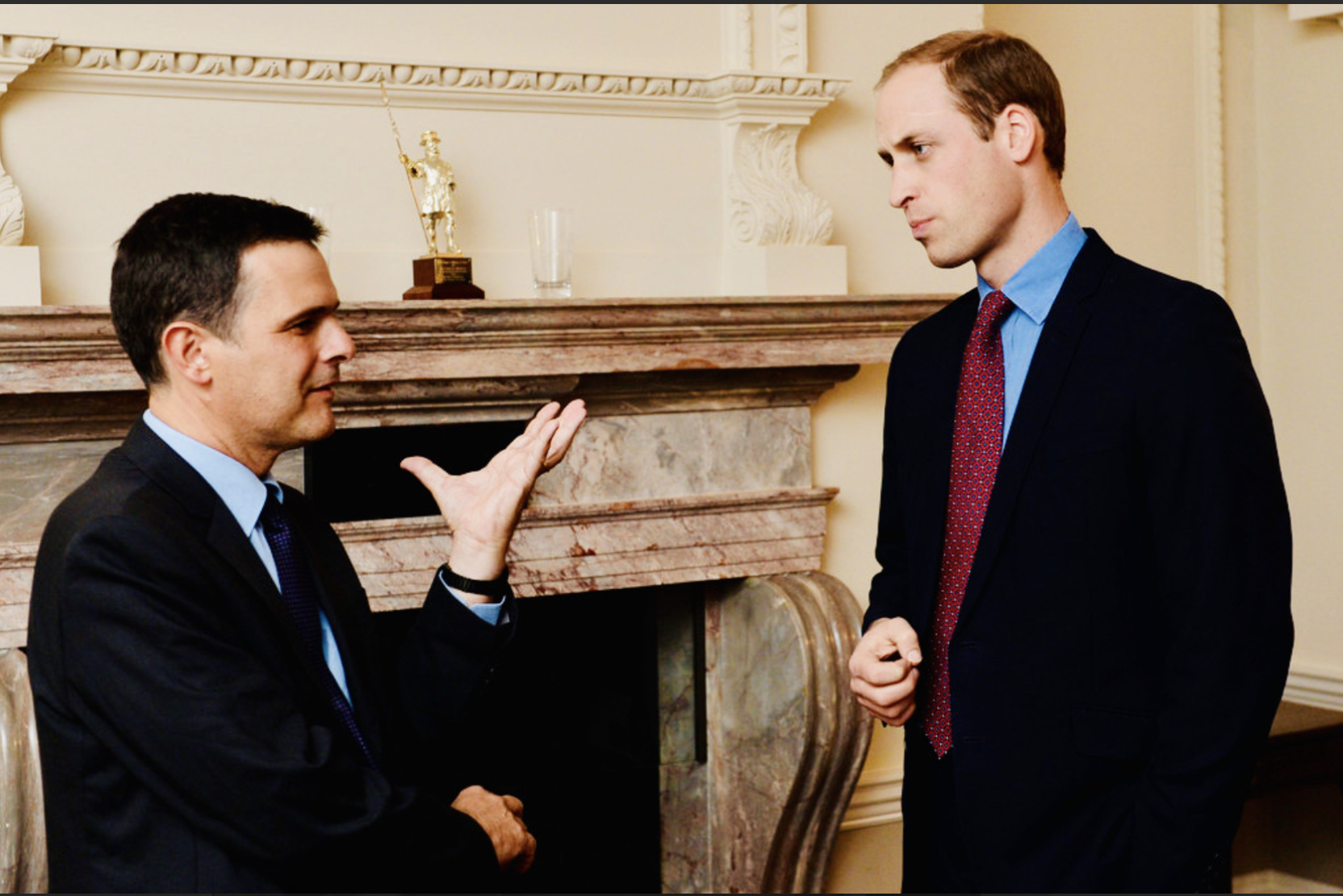
Authority Through Action: His power doesn't come from a crown, but from the scars earned in defense of the defenseless.
The Humility of the Expert: He operates with a quiet, steely focus, proving that the loudest voice in the room is rarely the one doing the most work.
Devotional Service: He teaches us that a life of Bhakti—living for a cause greater than the ego—is the ultimate luxury.
De Merode is the modern Siddhartha, proving that we do not need to sit under a Bodhi tree to find enlightenment. We find it in the struggle. We find it in the grit. We find it when we realize that the most "royal" thing a human can do is protect the sanctity of life against the greed of the machine.
As we navigate our own "turbulent times," we look to Virunga. We look to the prince who became a warden. And we realize that the path to a higher state of being isn't about what we gather, but what we are willing to give away for the sake of the world.