From Ateliers To Assembly Lines:Couture Spies, Wartime and The Small, Medium, Large Complex
American fashion is often celebrated for its democratic spirit, but its origin story is less about invention and more about the sophisticated art of the reproduction. From the gilded salons of 20th-century Paris to the hyper-accelerated algorithms of contemporary fast fashion, the American wardrobe has always been a mirror—meticulously polished and mass-distributed.
To understand the modern "dupe" obsession, we must look back at the original architectural shift: when fashion moved from the hand of the couturier to the gears of the American machine.
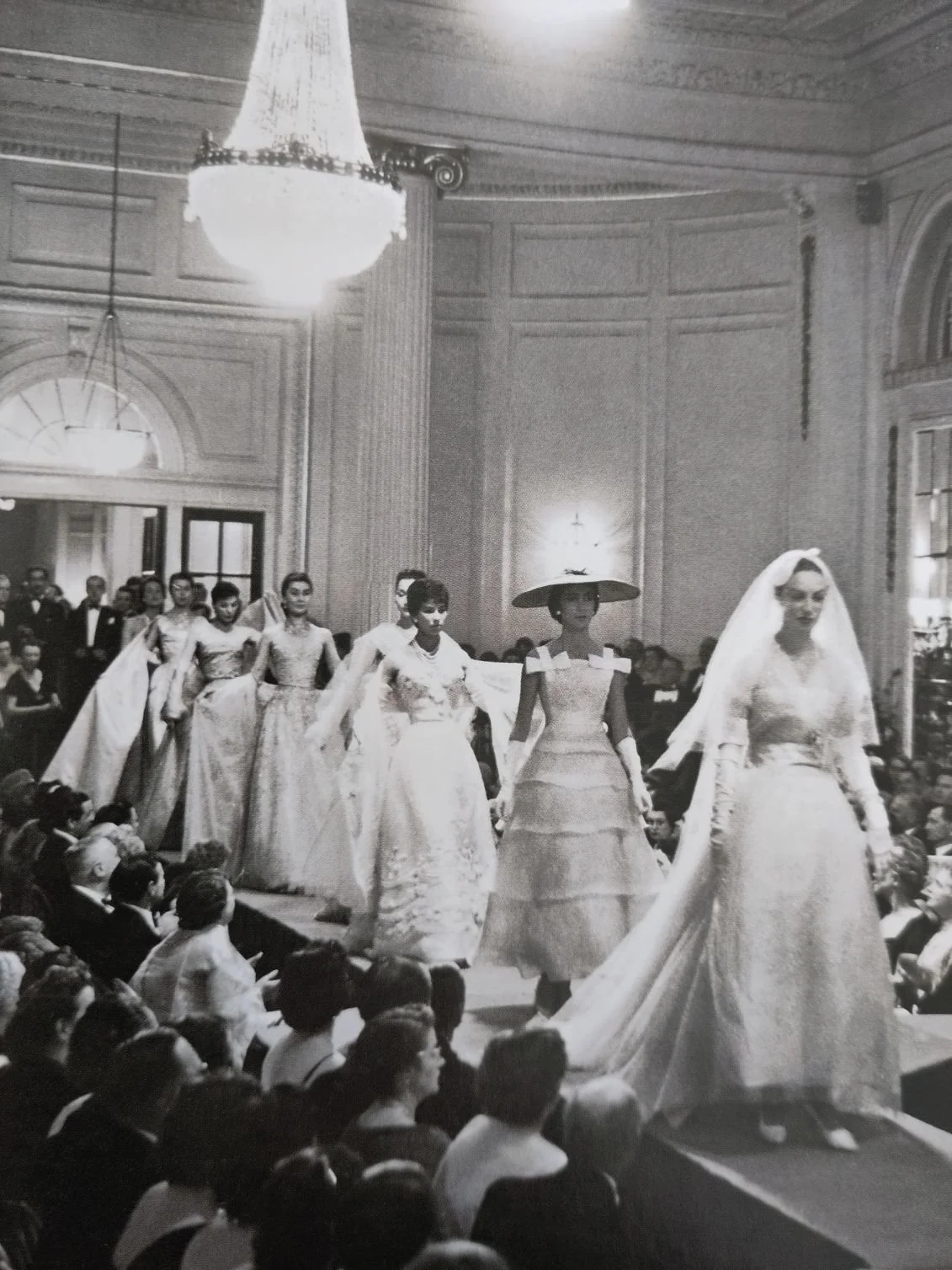
The Parisian Blueprint: The Era of Professional Copyists
In the early 1900s, Paris was the undisputed epicenter of haute couture. The fashion show was a sacred ritual, a theater of craftsmanship intended for the global elite. However, the American market’s hunger for European prestige birthed a sophisticated shadow industry.
Enter the fashion spies—highly skilled observers who attended these exclusive debuts not to buy, but to translate. These intermediaries would memorize the intricate draping of a Vionnet or the structural precision of a Chanel, rushing sketches to high-end "knock-off" seamstress shops. Here, the Parisian dream was recreated by hand specifically for export to the United States. This wasn't merely imitation; it was a standardized business model that established the United States as a culture of the "high-fidelity copy."
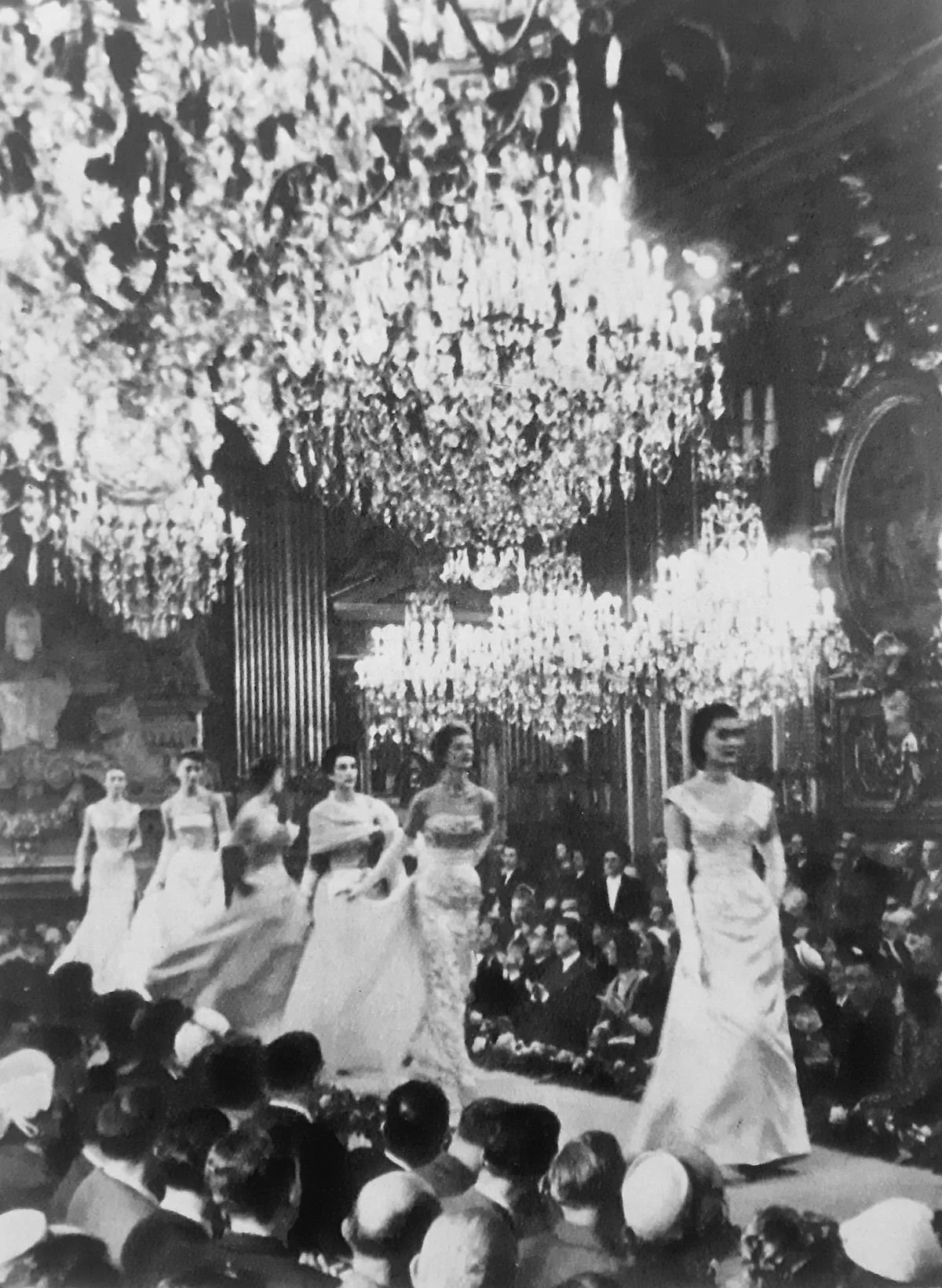
The Wartime Pivot: The Birth of the "S/M/L" Industrial Complex
The trajectory of global style shifted permanently during World War II. When Hitler’s occupation of Paris severed the connection to European ateliers, American manufacturers were forced to innovate through infrastructure rather than artistry.
Post-war America abandoned the "Made to Measure" philosophy in favor of industrial scalability. The shift was seismic:
From Tailored to Technical: The focus moved from garments that draped the individual body to "cut-out" shapes designed for speed.
The Rise of Sizing: This era birthed the Small, Medium, and Large sizing conventions—standardizing the human form to fit the assembly line.
Factory-to-Closet: Custom craftsmanship was replaced by mass production, laying the foundational tracks for what we now recognize as Fast Fashion.

The Modern Dilemma: Aesthetic Over Innovation
Today, the American legacy of copying has reached its logical conclusion. Because the market is dominated by hyper-efficient replication, contemporary designers face a strategic stalemate. We see two distinct reactions in the luxury sector:
The Abandonment of the Market: Many visionary designers have stopped tailoring their creative output for American retail, viewing it as a landscape where original silhouettes are instantly cannibalized by fast-fashion giants.
The "Everyday Cool" Aesthetic: Designers now often showcase "unoriginal" but high-vibe pieces—utilitarian basics and elevated streetwear. By focusing on a general aesthetic rather than a revolutionary cut, they attempt to stay ahead of the "dupe" cycle, knowing their work will be replicated in synthetic fabrics within days of its debut.
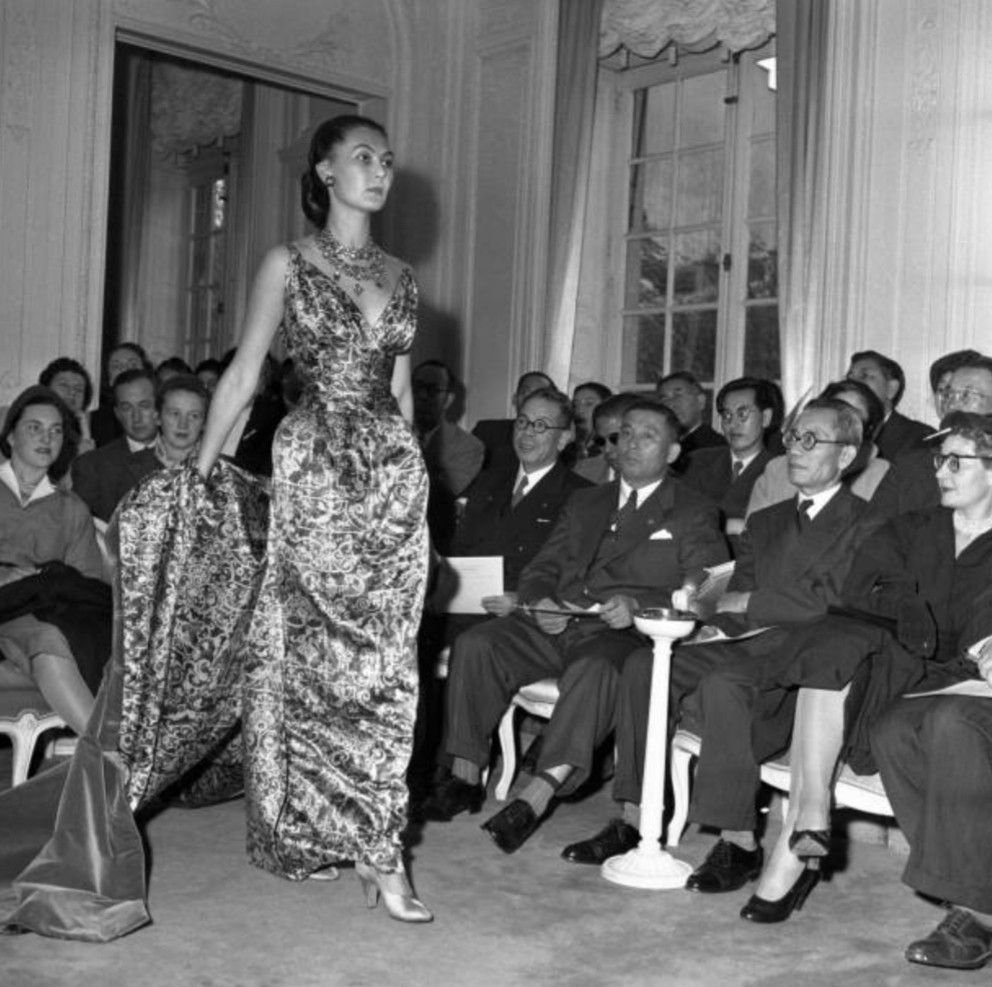
The New Luxury: Curating the Authentic Wardrobe
In an era of digital replicas and polyester saturation, the definition of luxury has pivoted. If the American tradition is to copy, then the ultimate rebellion is the original artifact.
The path to an authentic closet lies in the rejection of the mass-produced silhouette. By investing in high-quality, custom-tailored, or artisanal pieces, the consumer exits the cycle of the "copy-paste" culture. These garments offer a structural integrity and sensory experience that a factory-cut shape simply cannot mimic.
True style isn't found in the speed of the trend, but in the permanence of the piece. In a world of infinite copies, the only thing that retains value is the authentic.