Manuel Cuevas : The Mexican Craftsmanship Behind Country Music’s Most Famous Suits
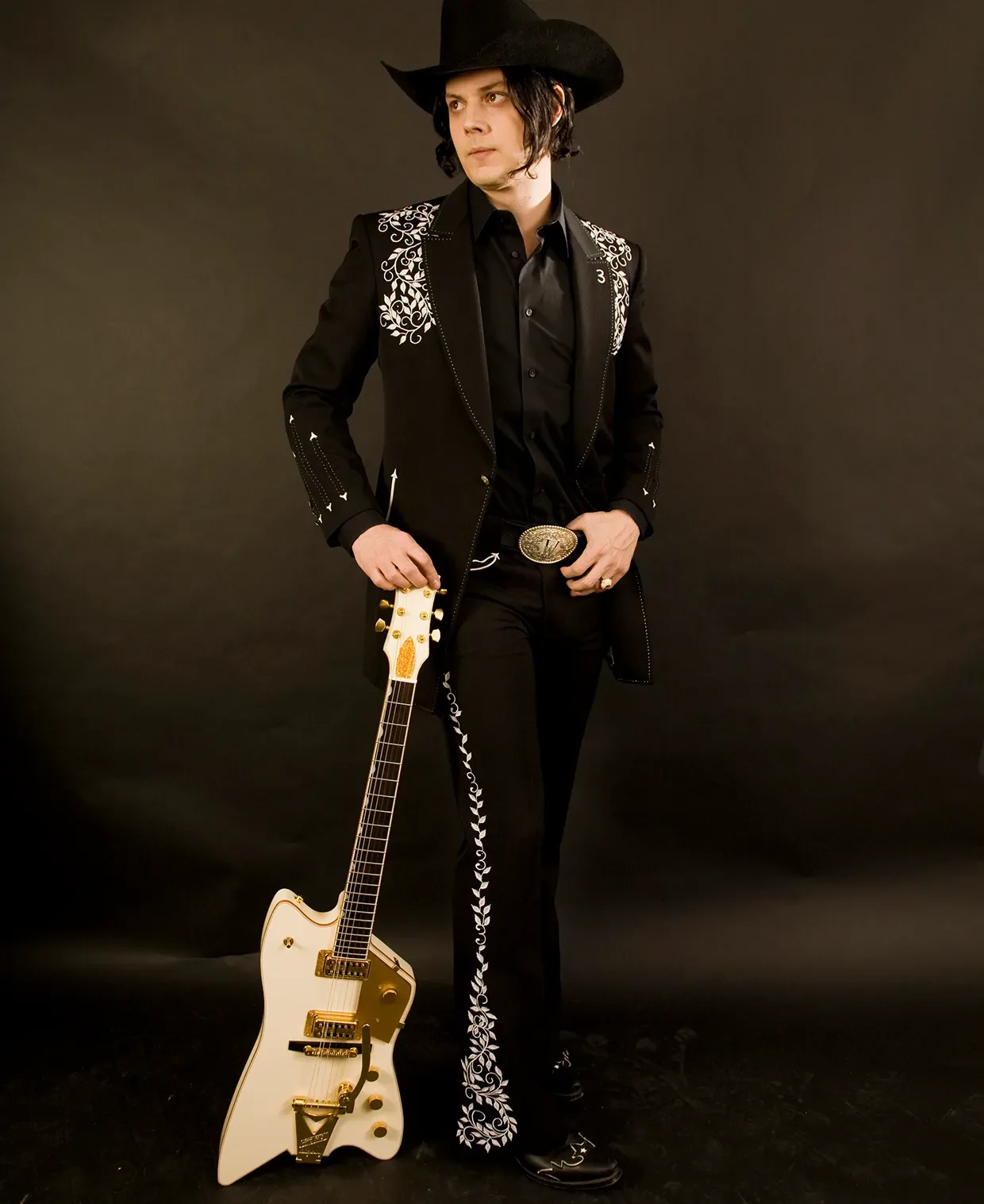
In the world of country music, there is a specific hierarchy of status. You have your first number-one hit, your first night on the Opry stage, and then there is the ultimate milestone: The Manuel.
For the uninitiated, "The Manuel" isn't a trophy or a guitar. It is a custom-made suit from the studio of Manuel Cuevas, a 92-year-old tailor who has dressed everyone from Frank Sinatra and Elvis Presley to Johnny Cash and Post Malone. To the average pedestrian, these outfits might look like flashy "stage wear," but to those in the know, they represent a billion-dollar intersection of history, labor, and high-level engineering.
If you think fashion is "silly," you haven't seen the math or the man-hours that go into a $20,000 jacket.
The Mexican Roots of the American Cowboy
While country music is often viewed as a purely American invention, its visual soul is deeply Mexican. The iconic "Western" look—the sharp silhouettes, the ornate embroidery, and the bold piping—finds its origins in the traje de charro worn by Mexican mariachis and the vaqueros (ranchers) who dominated California and the Southwest throughout the 1800s.
Manuel Cuevas didn't invent this style in a vacuum; he grew up in it. Born in Michoacán, Mexico, Manuel spent his youth sewing quinceañera dresses, learning how to manipulate fabric to withstand movement and command a room. When he eventually moved from Los Angeles to Nashville in the 1980s, he brought a Mexican ranching heritage that had been perfected over centuries. When you see a country star on a red carpet today, you aren't just looking at Nashville style—you’re looking at Mexican tradition stitched into the very fabric of the American West.
Tec Petaja and Cambridge Jones
More Engineering Than Sewing
To call a Manuel piece "clothing" is a bit like calling a Ferrari "a car." These are high-performance garments built with an intensity that rivals any industrial trade.
Zero Mass Production: There are no "off the rack" sizes here. Every piece is a one-of-one commission.
The Labor: These suits are entirely handmade. We aren't talking about a factory line; we are talking about a single studio where every seam is measured to the millimeter.
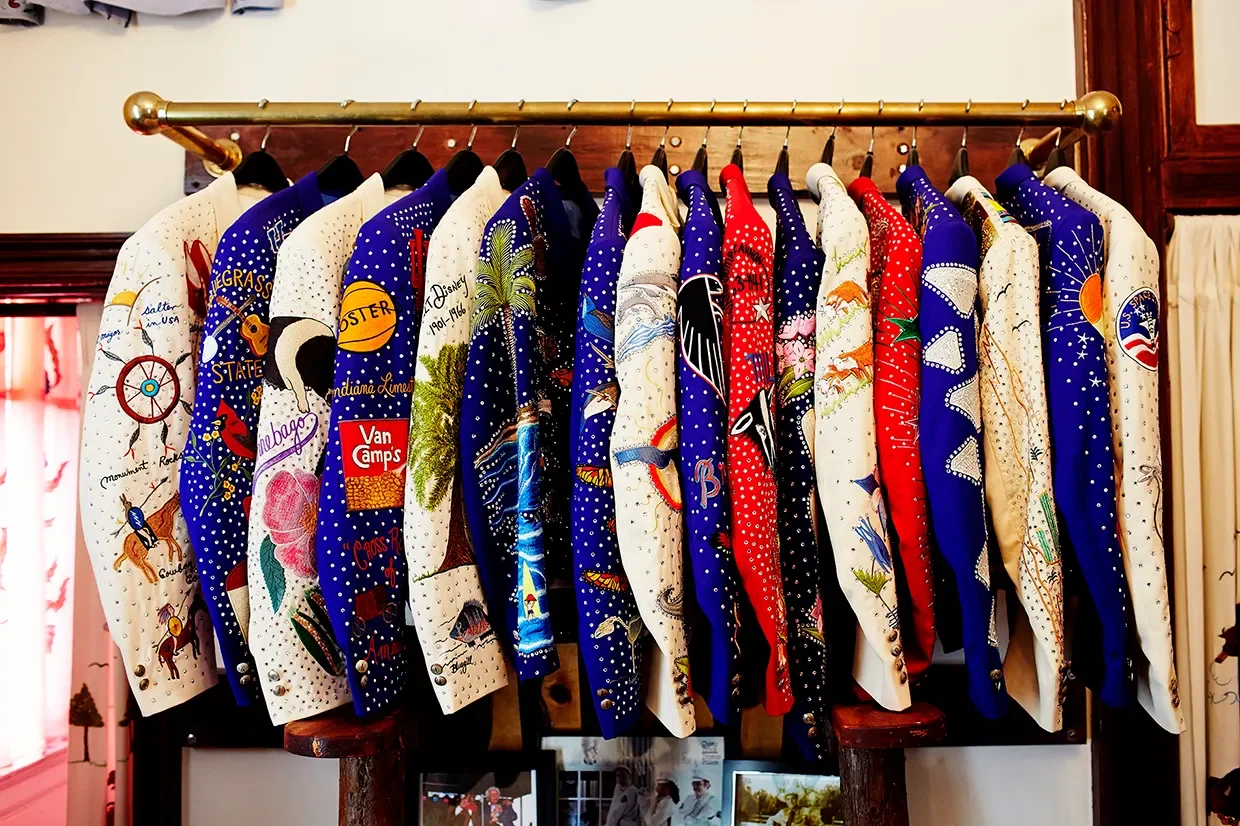
The "Bedazzle" Myth: Forget what you know about cheap sequins. In Manuel’s studio, every single rhinestone and crystal is hand-sewn one by one. If a jacket has 5,000 crystals, that represents hundreds of hours of manual labor.
This level of craftsmanship is why a custom shirt or jacket starts in the thousands of dollars. It’s an investment in a piece of art that is designed to last a lifetime.
From the Sinatra To Post Malone
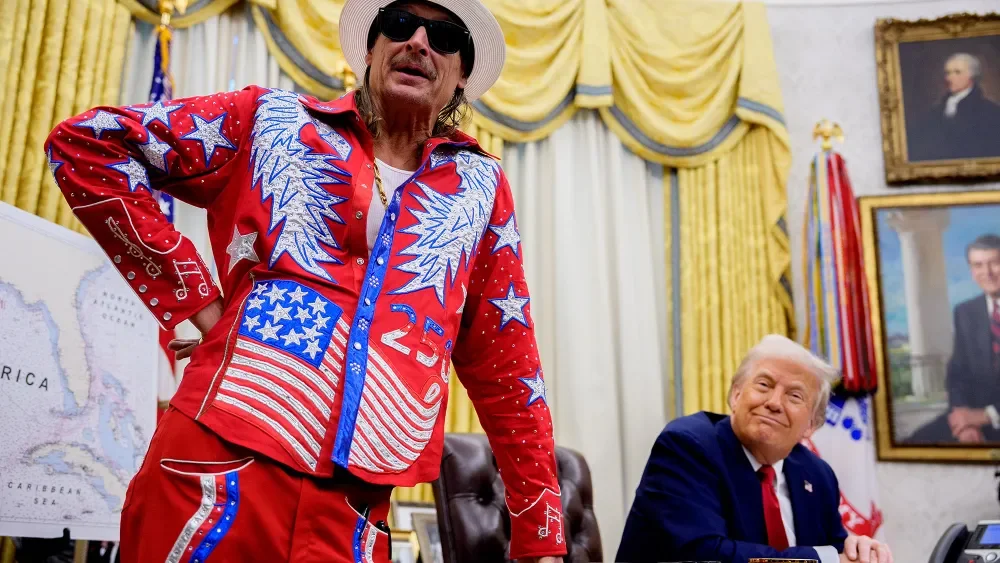
Manuel’s portfolio is a timeline of global stardom. He is the man responsible for some of the most recognizable silhouettes in human history:
Elvis Presley’s Gold Lamé Suit: Working under his mentor Nudie Cohn, Manuel was the lead tailor who actually cut and sewed Elvis's legendary $2,500 gold suit. He even spray-painted a pair of loafers gold to match, creating the blueprint for rock-and-roll excess.
The Man in Black: It was Manuel who suggested Johnny Cash wear all black for his first tour. When Cash asked why the suits were all one color, Manuel famously joked that black fabric was "on sale." A legend was born.
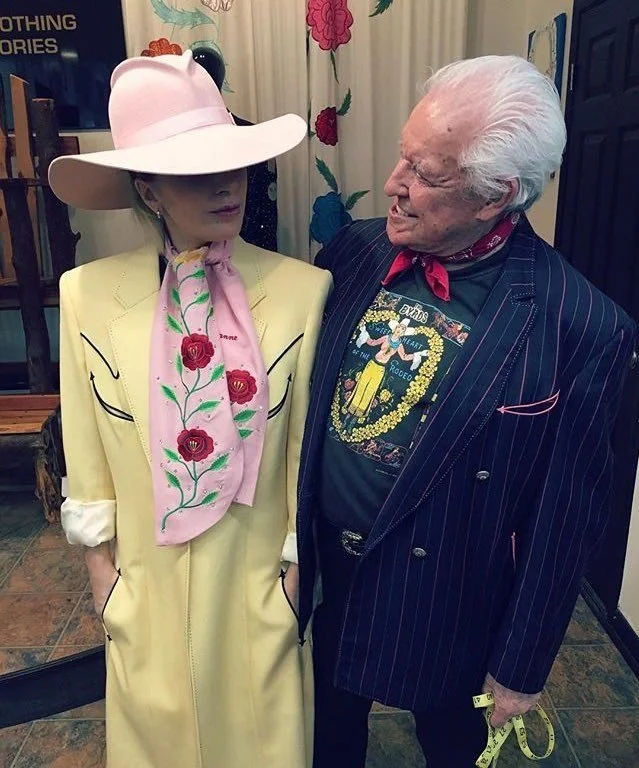
Lady Gaga: Proving his work transcends the "country" label, Manuel has been a favorite of Lady Gaga. During her Joanne era and for high-profile appearances like the Rose Bowl, Gaga turned to Manuel for custom dusters and embroidered jackets that blended high-fashion edge with traditional Western craftsmanship.
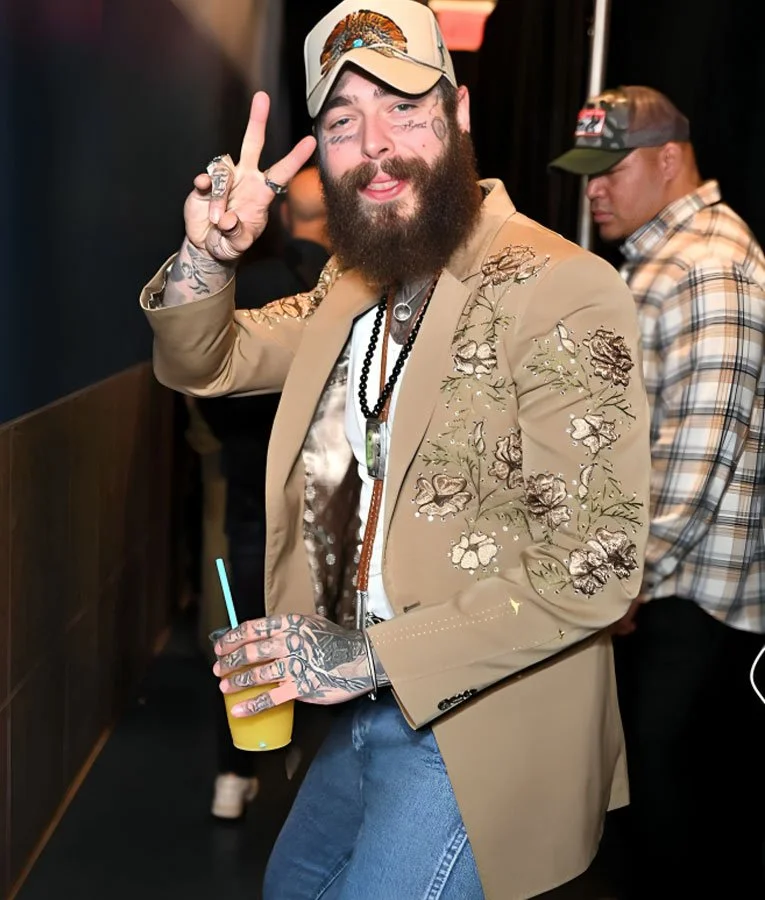
Post Malone: Currently bridging the gap between hip-hop and country, Post Malone has become a frequent client, using Manuel’s expertise to ground his new persona in authentic, blue-collar luxury.
A Lasting Legacy
Today, at 92 years old, Manuel Cuevas remains the most important man in Nashville fashion. He hasn't sold out to a conglomerate or moved his production overseas to chase higher margins. Instead, he can still be found in his studio, working alongside his wife, Ofelia—a master craftswoman also from Mexico.
Together, they serve as a living reminder that the "country" look is actually an international masterpiece. For the man who thinks he doesn't care about fashion, a five-minute conversation with Manuel about the structural integrity of a lapel or the history of a stitch would change his mind forever.