
Since the late fifteenth century, the lands that became the United States, the Caribbean, Latin America, and South America have followed a historical path fundamentally different from that of Europe. Beginning with European contact in 1492, these regions were forged as colonial extensions of European empires, shaped by the encounter with indigenous societies, the introduction of African slavery, Christian missionary efforts, and eventual independence movements. This common experience created societies marked by racial and cultural mixture, republican experiments, market-oriented economies, and a strong Christian inheritance—particularly Catholicism in Spanish- and Portuguese-speaking areas. While the Americas share deep European roots, their post-1492 development diverged sharply from Europe’s older monarchical traditions, later decolonization timelines, and more gradual institutional evolutions. The result is a set of nations whose political, social, and cultural trajectories align more closely with one another than with contemporary Europe.
European colonization of the Americas was a coordinated project of expansion, settlement, resource extraction, and religious conversion. Spain and Portugal, under the Catholic Monarchs, explicitly linked conquest to the spread of Christianity. Queen Isabella of Castile supported Columbus’s voyages and the broader enterprise of establishing Christian kingdoms in the New World. Missionaries accompanied or followed settlers, resulting in the widespread adoption of Catholicism across Spanish and Portuguese America. This legacy endures: Latin America and the Caribbean remain among the regions with the highest concentrations of Catholics globally, even as identification has declined in recent decades from roughly 80 percent in the mid-1990s to around half or more in many countries today, with particularly high rates in places such as Paraguay and Mexico. Protestantism also took root, especially in the English-speaking Caribbean and later through evangelical growth. In contrast, large parts of sub-Saharan Africa developed significant Christian populations later, alongside substantial Muslim and traditional religious communities—a different religious geography shaped by different colonial timelines and indigenous traditions.
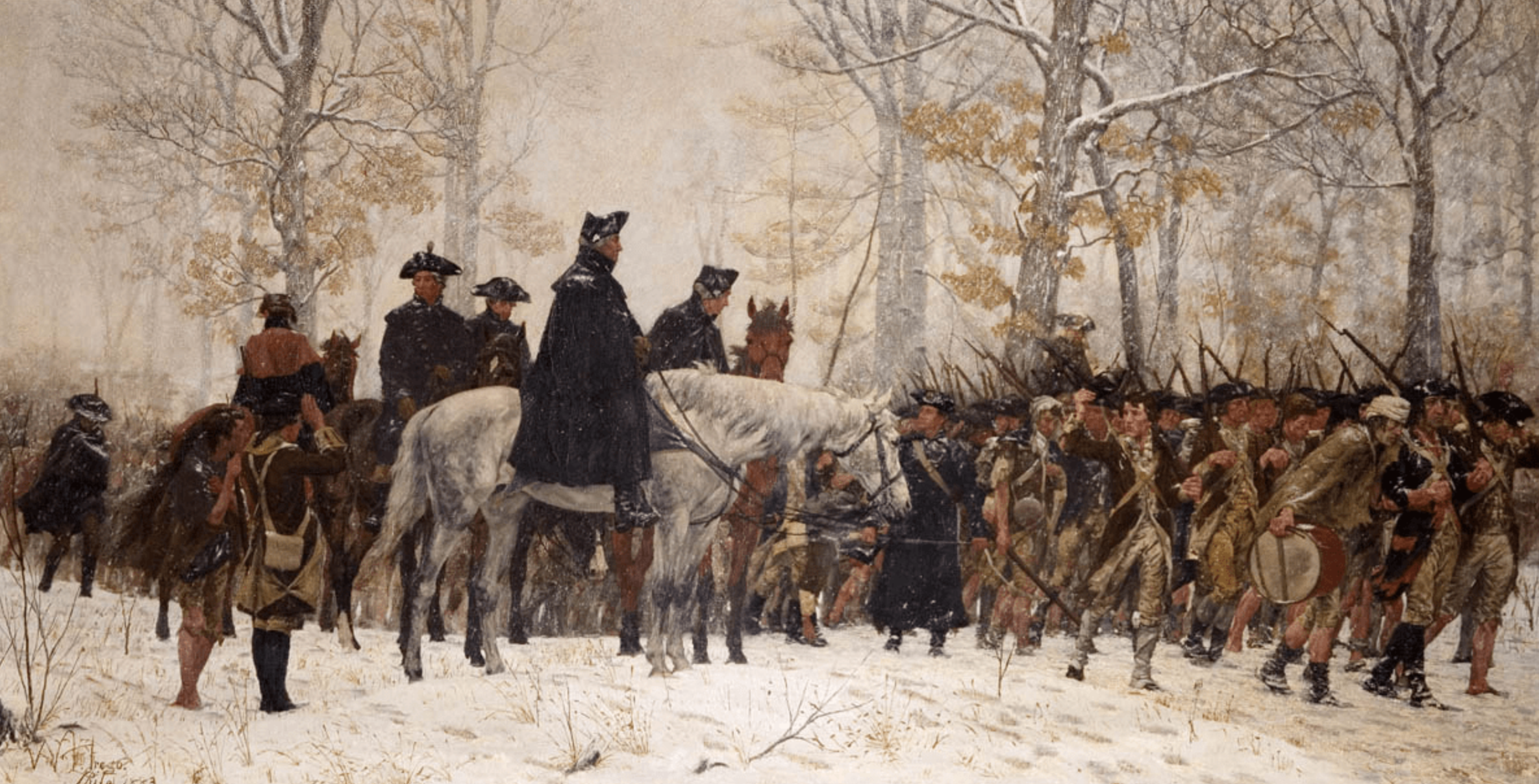
The March to Valley Forge by William B. T. Trego (1883)
Slavery was a foundational element across the Americas. The transatlantic slave trade supplied labor to plantations and mines from Brazil and the Caribbean to the southern United States and parts of Spanish America. The Haitian Revolution (1791–1804) stands as a pivotal shared event: enslaved people in the French colony of Saint-Domingue overthrew their masters and established the first independent Black republic in the Americas. This upheaval weakened French imperial ambitions in the Western Hemisphere and contributed to Napoleon’s decision to sell the Louisiana Territory to the United States in 1803, roughly doubling the young republic’s size. The United States itself banned the importation of slaves from abroad through the Act Prohibiting Importation of Slaves, enacted in 1807 and effective January 1, 1808—the earliest date allowed by the Constitution. While the domestic slave trade continued until the Civil War, the external trade largely ended. Most enslaved people in the United States by the early nineteenth century were American-born. Slavery was abolished across the Americas through a combination of independence wars, gradual emancipation laws, and the U.S. Civil War (ending in 1865), with Brazil the last major holdout in 1888. These societies then confronted the long aftermath of racial hierarchy, mixture, and inequality—realities that produced diverse populations of European, African, indigenous, and mixed descent rather than the more homogeneous societies that characterized much of historical Europe.
Independence movements further unified the American experience. The United States gained independence in 1783. Haiti followed in 1804. Spanish American wars of independence erupted in the early nineteenth century, producing new republics from Mexico to Argentina and Chile. Brazil achieved independence from Portugal in 1822 as an empire that later became a republic. These were often violent breaks with monarchical colonial powers, driven by creole elites, Enlightenment ideas, and local grievances. Europe’s path from absolute monarchy toward constitutional government and democracy was more varied and, in many cases, more gradual or reformist—though not without major revolutions, such as the French Revolution of 1789. Many European states retained monarchies (now constitutional) into the modern era, and some later adopted extensive welfare-state models. The Americas largely adopted republican forms early, with mixed success, frequent instability, and eventual democratic consolidations in many countries. Shared Western ideas of limited government, property rights, and popular sovereignty took root, even as outcomes differed.
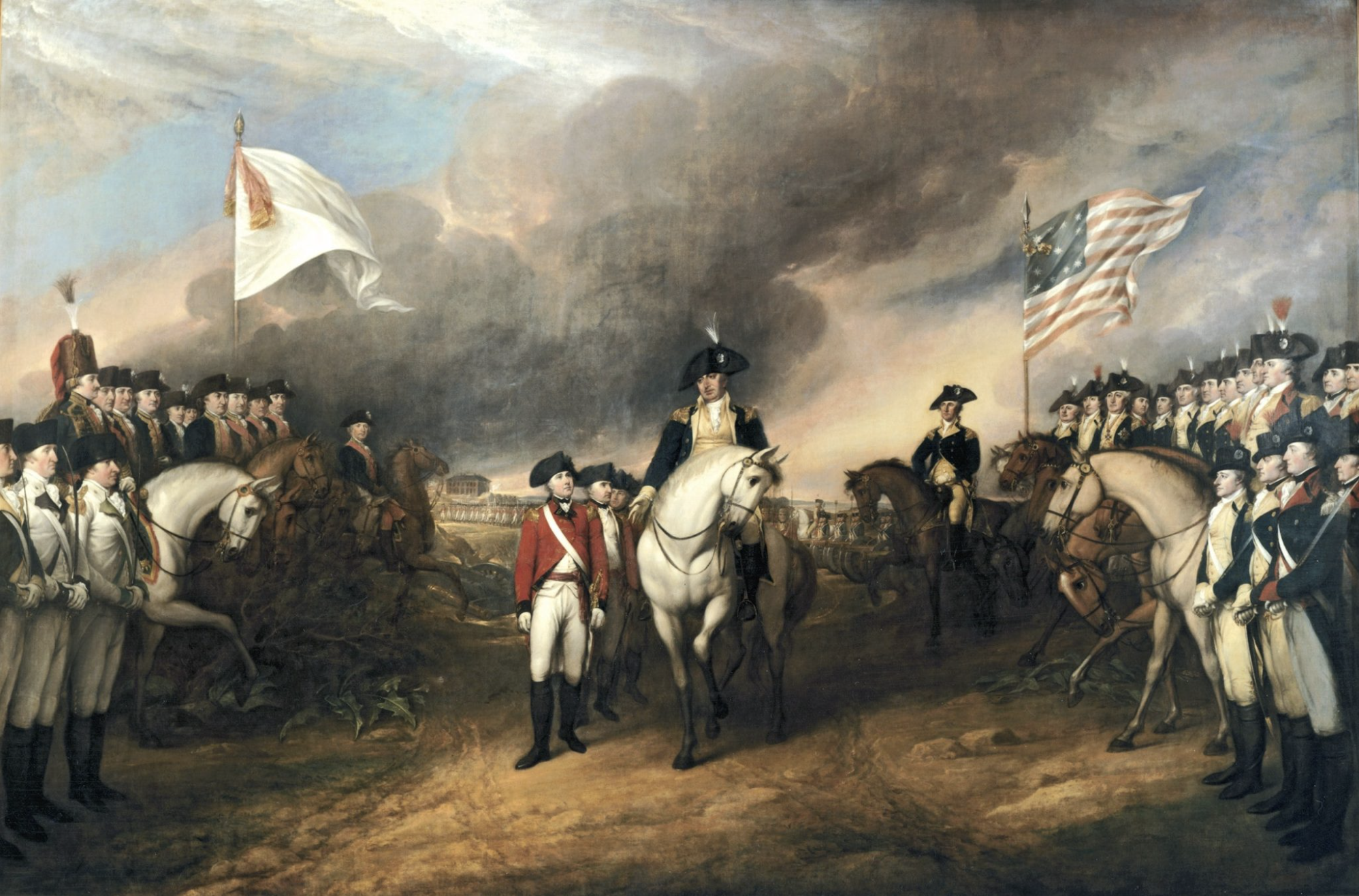
Surrender of Lord Cornwallis by John Trumbull (1820)
Economically, the Americas developed market-oriented systems under conditions of relative land abundance, immigration, and, in the United States, rapid industrialization. The Industrial Revolution began in Britain in the late eighteenth century and spread to continental Europe and the United States. The U.S. leveraged its large internal market, natural resources, immigration, and institutional continuity to become the world’s leading industrial power by the early twentieth century. Many Latin American economies pursued export-led growth, later industrialization, and market reforms, though with more volatility. The narrative of societies built by settlers, immigrants, and former slaves “pulling themselves up” captures a real contrast with older European aristocracies, even if elite concentrations of wealth and power existed everywhere. Racial diversity has been a defining feature of the Americas since the colonial era due to indigenous populations, European settlement, and the African slave trade—producing mestizo, mulatto, and creole societies. European nations were historically more ethnically homogeneous before large-scale post-World War II immigration, and their colonial projects in Africa and Asia often operated under different administrative and demographic logics.
European engagement with sub-Saharan Africa followed a later timeline. While the slave trade connected Africa to the Americas, European formal colonization of most of Africa intensified in the late nineteenth century. Decolonization occurred primarily in the 1950s and 1960s, with Portuguese colonies gaining independence in the 1970s and the process largely complete by 1980. Colonial policies varied widely: some powers invested in limited education and infrastructure, others prioritized extraction with minimal assimilation efforts. Apartheid in South Africa represented an extreme case of institutionalized racial separation with roots in earlier colonial settlement. The Americas’ direct institutional ties to Africa largely ended with the close of the slave trade; subsequent connections have been cultural (through the African diaspora) rather than political or colonial. Europe maintained longer and more recent governing relationships with African territories.
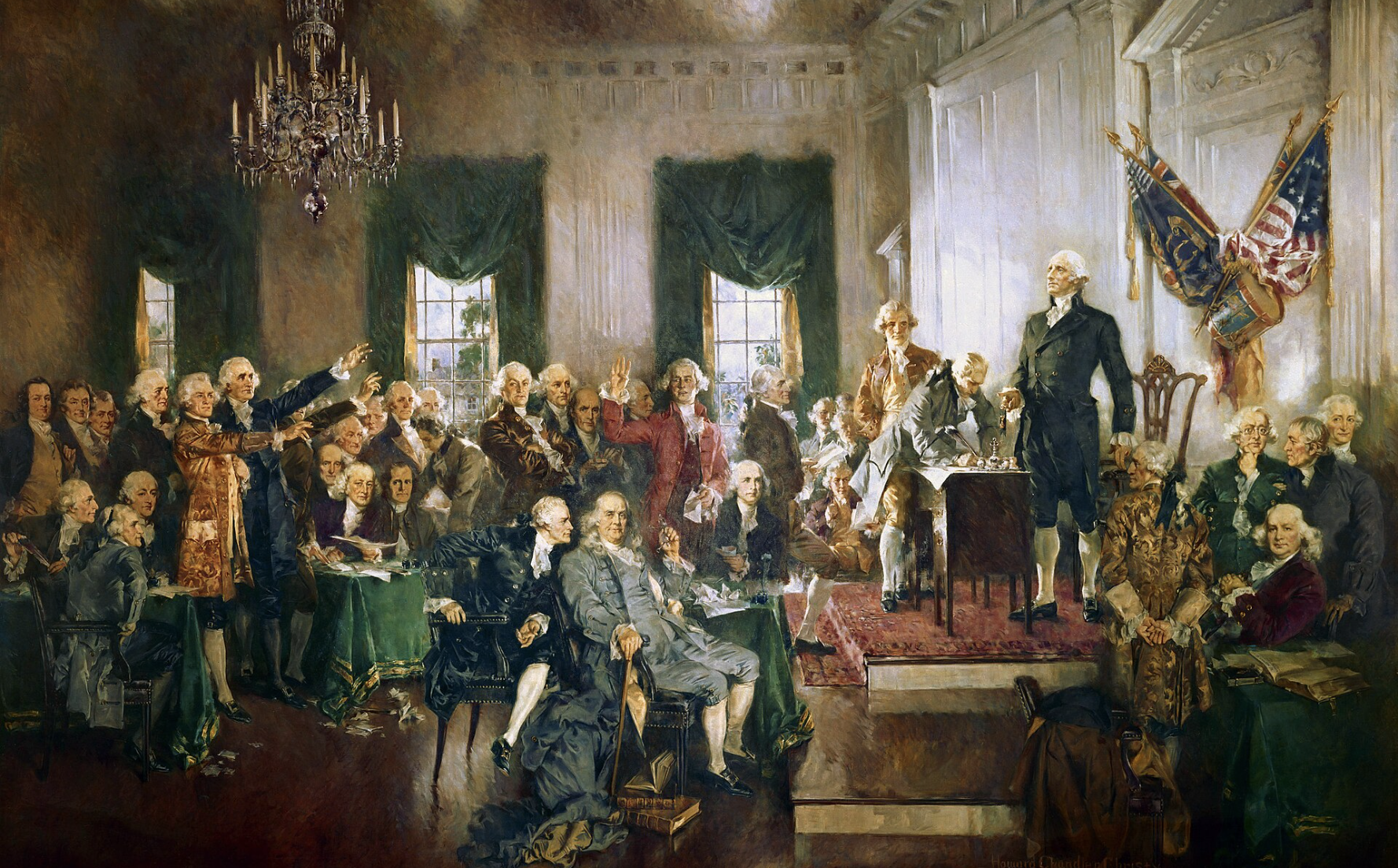
These historical divergences have produced distinct political, social, and cultural norms. The Americas share experiences of colonial founding, independence struggles, Christian majorities or strong Christian heritages, racial mixture, and market economies that have driven significant growth—most dramatically in the United States. Europe’s trajectory involved longer monarchical continuity, different patterns of class and social organization, later African decolonization, and, in the twentieth century, experiments with social democracy and welfare states that contrast with more market-oriented or uneven development paths in the Americas. Cultural affinities—language families (English, Spanish, Portuguese, French), legal traditions, and religious practices—further bind the Western Hemisphere.
In the future, these shared foundations support closer cooperation among the nations of the Americas. Existing frameworks such as the Organization of American States, trade agreements, and cultural exchanges already reflect this reality. An Americas-focused alliance, emphasizing common historical experiences, economic opportunities, and broadly compatible values around markets, Christianity or Western political ideas, and democratic self-government, aligns with the region’s distinct trajectory. While the United States and Europe have long cooperated under the banner of “the West,” the Americas’ post-1492 history of colonization, emancipation, independence, and demographic mixture has produced a set of societies whose internal connections are deep and whose differences from both historical Europe and contemporary African or other non-Western trajectories are pronounced. Strengthening ties across the hemisphere builds on that shared past rather than on more distant or differently evolved relationships.