The Sad Girl Era is Actually Melancholy: Why You Need to Fix Your Gut + Guide

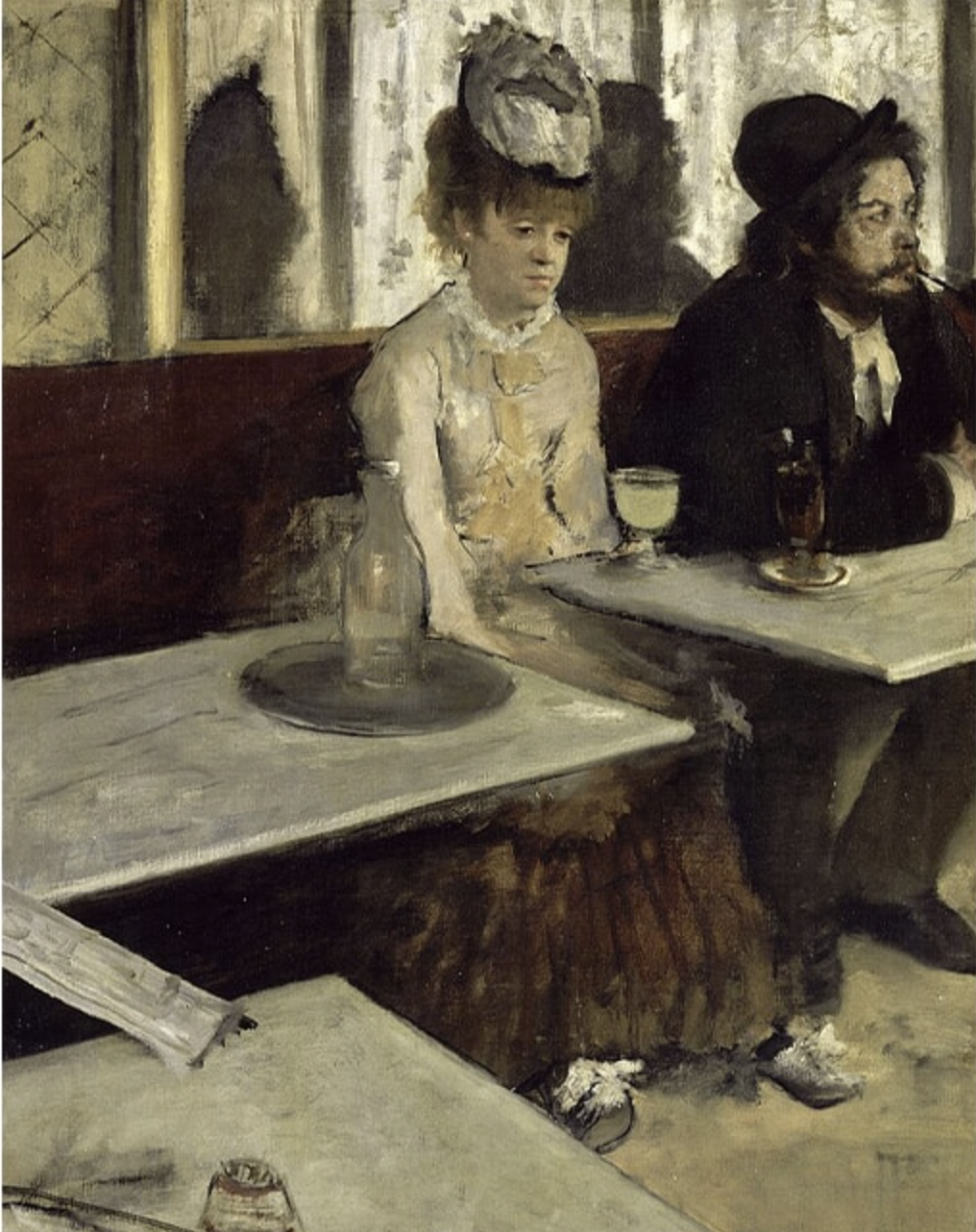
We’ve all been there: the sharp twist in the abdomen before a first date, the dull ache during a deadline, or that chronic, unexplained bloating that seems to mirror a period of heartbreak. In the modern "Sad Girl" aesthetic—popularized by Lana Del Rey melodies and "coquette-core" Pinterest boards—we often romanticize clinging to the sad emotional weight, but we rarely talk about the effects it has on our lower GI tract. Now, we can full circle to the full holistic truth. Your "Sad Girl Era" might actually be a Melancholy Era—a sign that your body is responding to emotional pain by altering its chemistry. When we ignore our gut, we ignore our intuition. To fix the mood, you must clear the bile.
If you’re a young woman today, your anxiety doesn’t just live in your head. It lives in your gut. We call it "stress," "IBD," or "anxiety-induced nausea." But centuries ago, doctors and mystics had a much more visceral name for this intersection of mood and digestion: Melancholy.
The Return of the "Black Bile"
The word "melancholy" isn't just a poetic synonym for sadness. It literally translates from the Ancient Greek melas (black) and khole (bile). In the era of humoral medicine, your health wasn't just about germs; it was about the balance of fluids.
When the "black bile" became stagnant or "burnt," it was believed to cloud the mind and heavy the heart. While modern medicine focuses on serotonin, the ancients focused on the stomach bile—the literal digestive juices that, when sluggish, create a physical and emotional "sludge."

The Wisdom of Hildegard von Bingen
In the 12th century, long before the first probiotic capsule was ever pressed, a Benedictine nun named Hildegard von Bingen was already decoding the gut-brain axis. Hildegard was a polymath—a visionary who saw the human body as a mirror of the cosmos.
She believed that our "viriditas" (greening power or life force) was directly impacted by the quality of our digestive juices. Hildegard observed that:
Suppressed Anger: Hardens the bile, leading to sharp, acidic pains.
Deep Sadness: Makes the bile "black" and heavy, leading to that feeling of being "weighed down" or chronically constipated.
Emotional Storage: She posited that the stomach is where we store the energy we aren't ready to release.
Fixing your stomach bile is a more aggressive, intentional act than just taking a daily probiotic. It’s about moving stagnant energy and clearing the physical "bitterness" out of your system.
The Modern Guide to Clearing Your Melancholy (Black Bile)
Inspired by Hildegard’s 12th-century wisdom and updated for the 2026 wellness landscape, here is your protocol for releasing stored emotional "sludge."
1. The Genova Stool Test
Don't guess; map. To truly understand your internal chemistry, get a Giova (or similar comprehensive) stool test. This identifies specifically which enzymes are lacking and which "bitter" markers are off. It allows for precision supplementation rather than a "one-size-fits-all" approach.
2. Sip the "Bitter" Elixirs
Hildegard was a proponent of bitter herbs to stimulate bile flow.
Aloe Vera Juice: Drink 2 ounces of pure, organic aloe vera juice on an empty stomach. It soothes the "fire" of anxiety-induced inflammation.
Dandelion Root: A modern way to clear the "black bile" is through dandelion tea, which triggers the gallbladder to release stagnant fluids.
Add sauerkraut and fermented vegetables to your everyday diet.
3. The "No-Oats" Rule
While the fitness world loves oatmeal, Hildegard warned against "heavy" grains that dampen the digestive fire (what she called subtilitas). If you are in a high-anxiety state, avoid oats. They can create a "mucus" in the gut that traps melancholy energy. Switch to spelt or light, warm broths.
4. Heat and Release
The gut is a muscle that clenches under stress. Use a castor oil pack or a warm heating pad over your liver (right side, under the ribs) for 20 minutes a night. As the heat penetrates, visualize the "black bile"—the stored anger and sadness—thinning out and leaving the body.
5. Into The Future
Use AI to help navigate all the new information about your stool test, supplements, mood and creating a routine that works for your body specifically