Is The American Man Being Systematically Displaced? A Historical Deep Dive
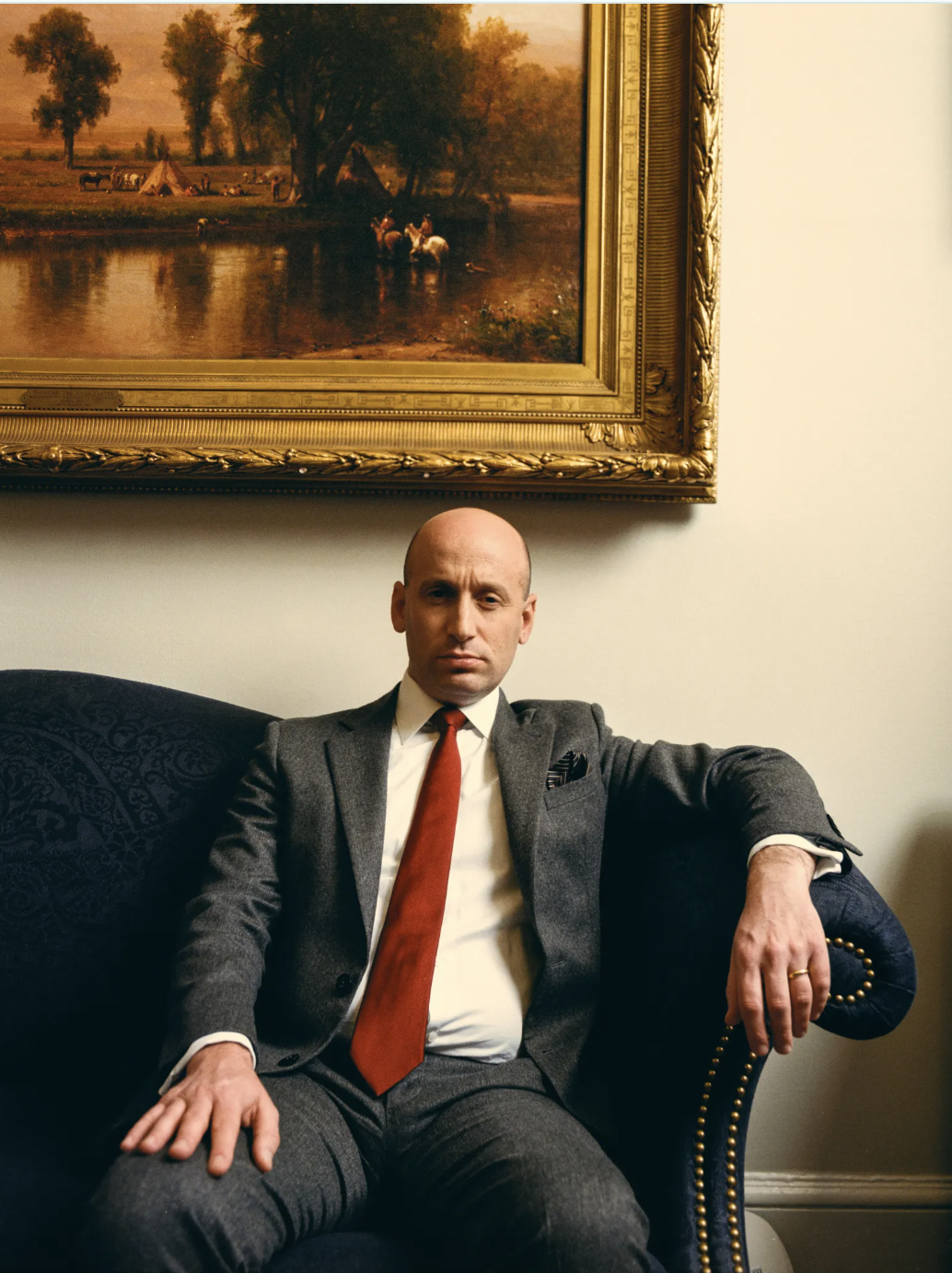
Photo by Christoper Anderson for Vanity Fair
The intentional displacement of the American man is a complex and deeply rooted narrative that has unfolded over centuries, shaping the very fabric of American society and the male psyche. From the earliest interactions with European settlers to the economic shifts of the 21st century, the American man has experienced profound transformations in his role, identity, and sense of belonging.
The Erasure of Indigenous Masculinity
The initial chapters of this displacement begin with the arrival of European settlers and their interactions with Native American tribes. While early relationships often involved coexistence and trade, the balance shifted dramatically, particularly during and after the Civil War. The romanticized image of the noble savage often overshadows the brutal reality of how Native American men were systematically stripped of their ancestral lands, their traditional ways of life, and their hierarchical roles within their societies.
Imagine a Native American warrior, a shaman, or a chief, once revered for his strength, wisdom, and leadership, now finding his world crumbling under the relentless expansion of a new civilization. Their displacement was not merely geographical; it was an existential uprooting that deeply impacted their self-worth and confidence. The very roles that defined their masculinity – hunter, protector, spiritual guide – were undermined, leaving a void that would echo through generations.
War and the Erosion of the American Man
The 20th century brought a new form of displacement through constant warfare. For fifty years, American men were subjected to a relentless cycle of draft wars, followed by conflicts in the Gulf and the War on Terror. Millions of America's "best men" were lost on foreign battlefields, leaving behind shattered families and communities. For those who returned, the invisible wounds of PTSD became a silent epidemic, further eroding their sense of self and their ability to reintegrate into civilian life. The heroic image of the soldier, once a pinnacle of American masculinity, became intertwined with trauma and loss.
Post-9/11: Financial Displacement and the Devaluation of Masculine Roles
The post-9/11 era ushered in a more insidious form of displacement: financial dispossession. The past two decades have seen America's economic landscape drastically altered, with policies that facilitated the influx of millions of immigrants and a financial system increasingly dominated by powerful investment firms. These firms, often with international ties, have exerted significant influence over real estate, marketing, and even elections, contributing to a sense that the American dream is increasingly out of reach for the average man.
Consider the recent rise in interest and inflation rates post-COVID, further squeezing the financial autonomy of many American men. Simultaneously, there's been a noticeable devaluation of traditionally "heroic" masculine professions like the military, police, and firefighters. These once-respected roles, vital to the functioning of society, now often face public scrutiny and diminished appreciation. This shift, coupled with economic pressures, contributes to a feeling of emasculation and irrelevance for men who once found pride and purpose in these professions.
The symbolism of this displacement was starkly captured in a photograph by Christopher Anderson for Vanity Fair. The portrait of Stephen Miller, sitting defiantly in front of a painting of Native Americans, spoke volumes. Miller, a prominent figure in immigration policy, positioned before the very people whose displacement initiated this historical narrative, served as a potent, albeit uncomfortable, commentary on the ongoing saga of the American man's evolving place in his own land. It highlighted the uncomfortable truth that the displacement of one group often paves the way for the perceived dominance of another, even as the cycle of displacement continues.
Reclaiming Masculinity: A Guide for the Modern American Man
As we look towards 2026, the need for a strong, grounded masculinity is palpable, yet the path forward often feels fraught with challenges and the threat of co-option. To navigate this complex terrain, American men must proactively reclaim their agency and build resilience in key areas:
Health as a Foundation: Prioritize physical and mental well-being. This means consistent exercise, a balanced diet, adequate sleep, and seeking professional help for mental health challenges without stigma. A strong body and mind are the bedrock of confidence and resilience.
Family as an Anchor: Reinvest in family bonds. Strong familial relationships provide a sense of belonging, purpose, and support that is invaluable in an increasingly atomized society. Be an active father, a supportive partner, and a reliable son.
Mental Autonomy: Cultivate independent thought and critical analysis. In an age of information overload and manipulated narratives, the ability to discern truth from falsehood and to form one's own opinions is paramount. Read widely, question assumptions, and engage in thoughtful discourse.
Financial Autonomy: Take control of your financial future. This involves smart saving, responsible investing, developing valuable skills, and potentially exploring entrepreneurship. Reduce reliance on external systems and build a robust financial foundation that allows for greater freedom and choice.
Community Engagement: Connect with like-minded men and build strong local communities. Whether through shared hobbies, volunteer work, or men's groups, fostering real-world connections can combat feelings of isolation and provide a sense of shared purpose.
Rediscovering Purpose: Identify and pursue passions that bring meaning and fulfillment. This could be anything from mastering a craft, engaging in creative expression, or dedicating oneself to a cause. Purpose is a powerful antidote to feelings of aimlessness and insignificance.
The journey of the American man has been one of constant adaptation, loss, and the persistent search for identity. By focusing on these pillars of health, family, autonomy, and purpose, men can begin to heal the wounds of displacement and forge a new path forward, one rooted in strength, resilience, and a clear understanding of their place in the world