Pattern of Rebellion: A History of the Scottish Tartan
The flannel shirt stands supreme in the American consciousness: a rugged icon, a symbol of rebellion, and an emblem of cozy comfort. But beneath its soft, napped surface lies a rich tapestry of history, connecting the misty Scottish Highlands to the sprawling Appalachian peaks.
The Highland Roots: Where Plaid Met Purpose
Our story begins not in a bustling American metropolis, but in the windswept glens of Scotland. Here, for centuries, the distinctive patterned cloth known as tartan was more than just clothing; it was a visual lexicon, each intricate check and vibrant stripe narrating tales of clan, lineage, and region. In America, we affectionately, if inaccurately, refer to these patterns as "plaid"—a term derived from the Gaelic plaide, referring to the large, tartan-patterned blanket cloaks worn by Scots.
When the British Crown sought to quash Scottish nationalism after the Jacobite Rising of 1745, the very wearing of tartan was outlawed. This act of suppression inadvertently forged tartan into a powerful symbol of defiance and cultural pride. It was a pattern born of heritage, hardened by history, and imbued with an enduring spirit.
The Appalachian Odyssey: Scots-Irish Weave a New World
The 18th and 19th centuries saw waves of Scots-Irish immigrants—Protestants of Scottish descent who had settled in Ulster before seeking new lives—brave the Atlantic for the promise of America. Many found their new home in the rugged, untamed expanse of the Appalachian Mountains. These resourceful settlers brought with them not just their resilience and folk traditions, but also their deep-seated knowledge of textiles.
They needed clothing that was practical, durable, and above all, warm. While the intricate clan tartans might have softened or blurred over generations, the idea of a sturdy, patterned wool fabric persisted. These simple, often homespun woolen goods, with their inherent ability to camouflage dirt and withstand the rigors of frontier life, were the direct ancestors of the American flannel. The very conditions of the Appalachians demanded a garment that could endure—a characteristic that would become flannel's hallmark.
Flannel's American Transformation: From Mill to Mainstream
Here’s where the narrative takes a pivotal turn. While the Scots brought the pattern and the need for durable wool, the flannel fabric itself has distinct origins. Emerging from 17th-century Wales, flannel was revolutionary for its "napped" finish—a brushing process that raised the fibers, making the fabric incredibly soft, exceptionally warm, and surprisingly lightweight.
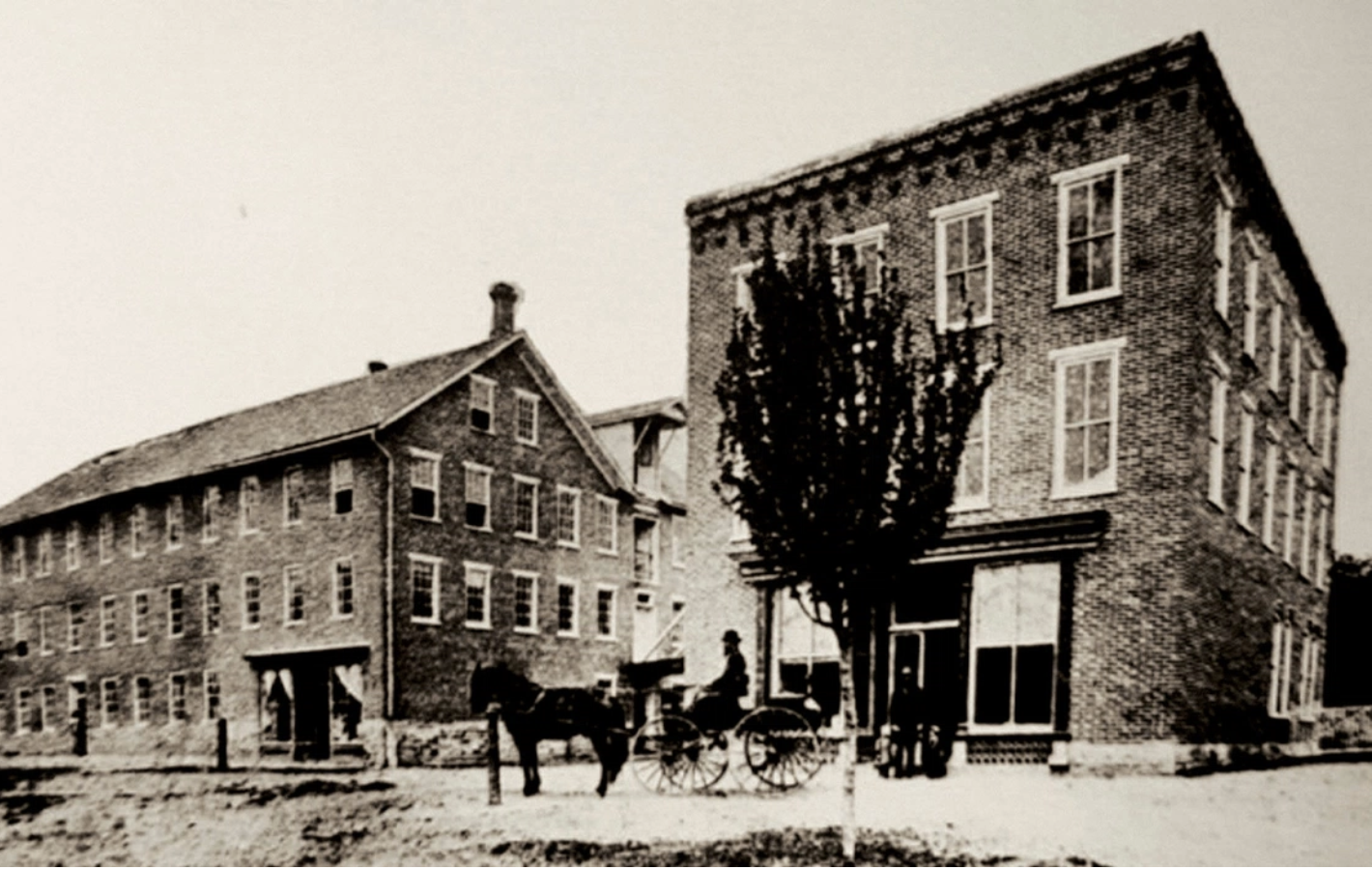
As America industrialized in the 19th century, textile mills across the nation began churning out this marvel fabric. Companies like Woolrich Woolen Mills, founded in Pennsylvania in 1830, were instrumental in popularizing flannel workwear. John Rich, the son of a wool weaver, migrated to America from Liverpool, England in the early 1800s. After initially settling in Philadelphia, Rich moved to the more rural, central sector of Pennsylvania, where he would build his first woolen mill near a small brook called Plum Run. Woolrich Woolen Mills in 1830 - founding one of the most iconic legacy brands in American fashion til this day.
Logging camps, railway construction sites, and factories across the expanding nation adopted the flannel shirt as their unofficial uniform. It was the garment of the lumberjack, the railroad worker, the farmer—a symbol of honest labor and the relentless spirit of American ingenuity.
Beyond the Backwoods: Flannel's Enduring Legacy
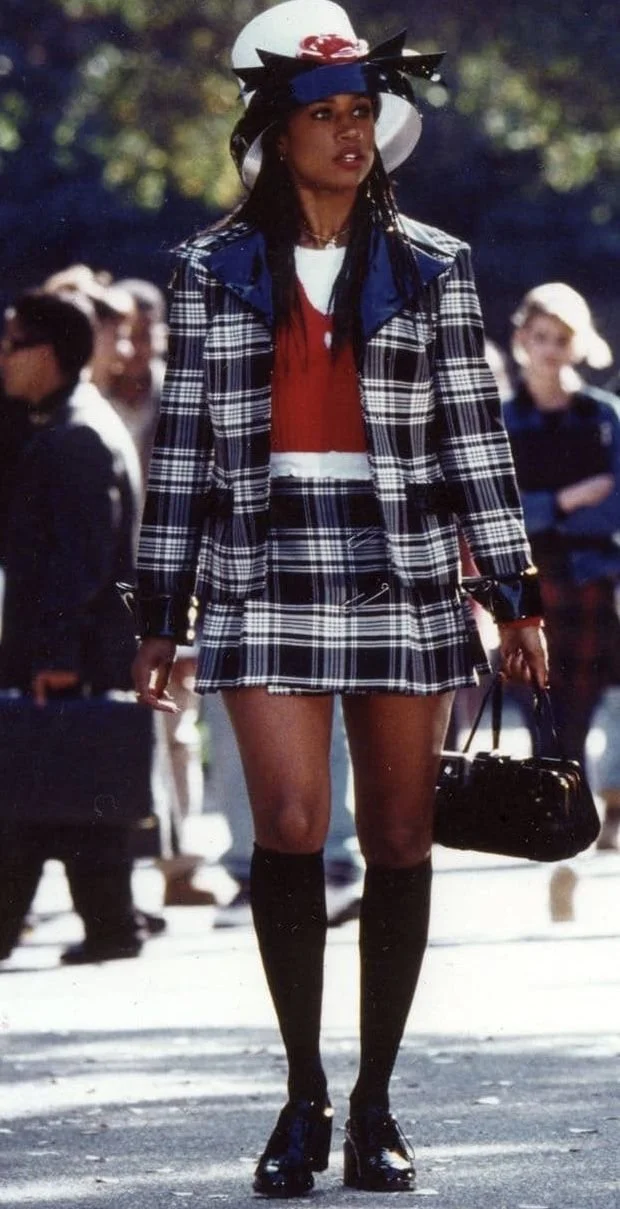
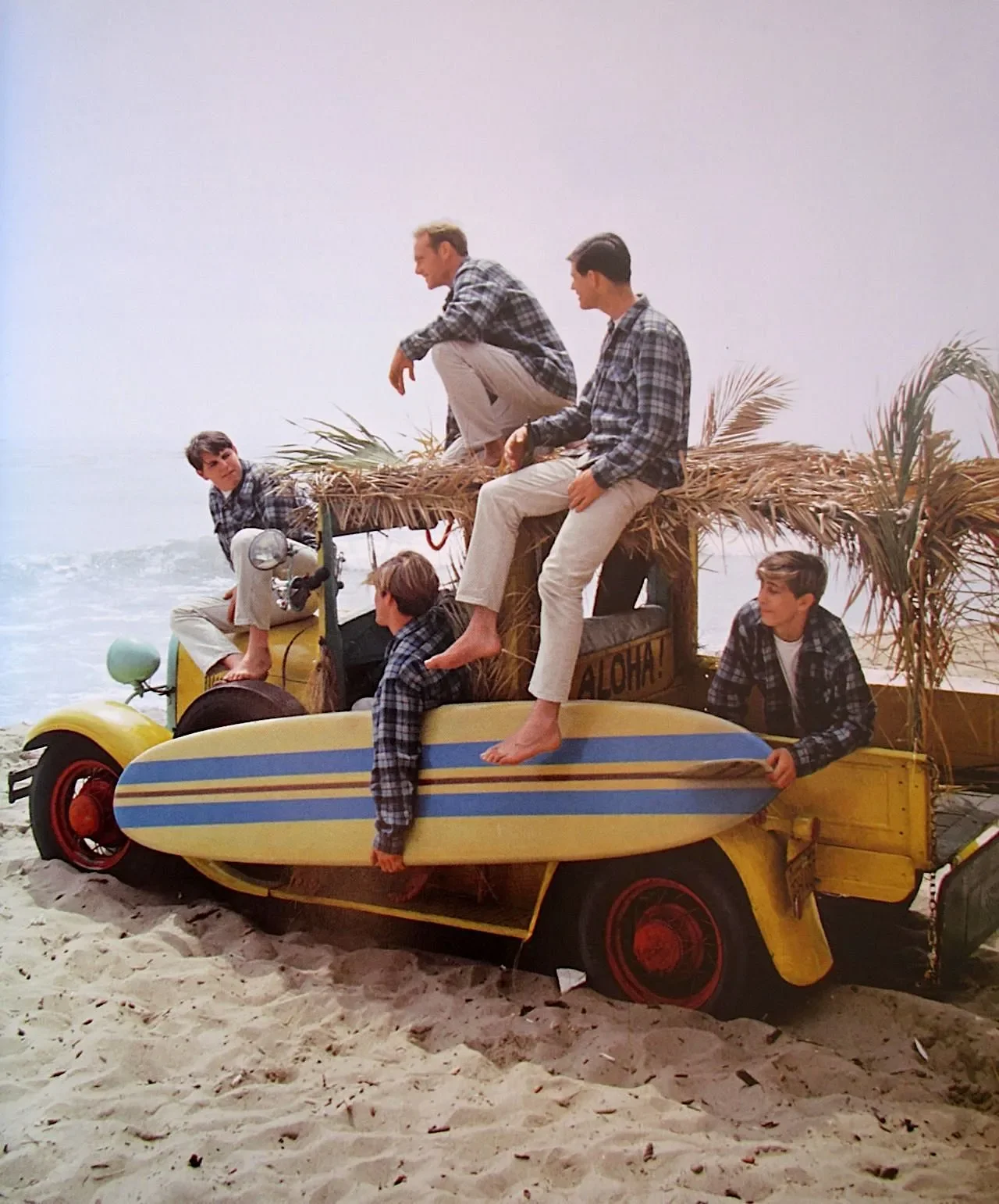
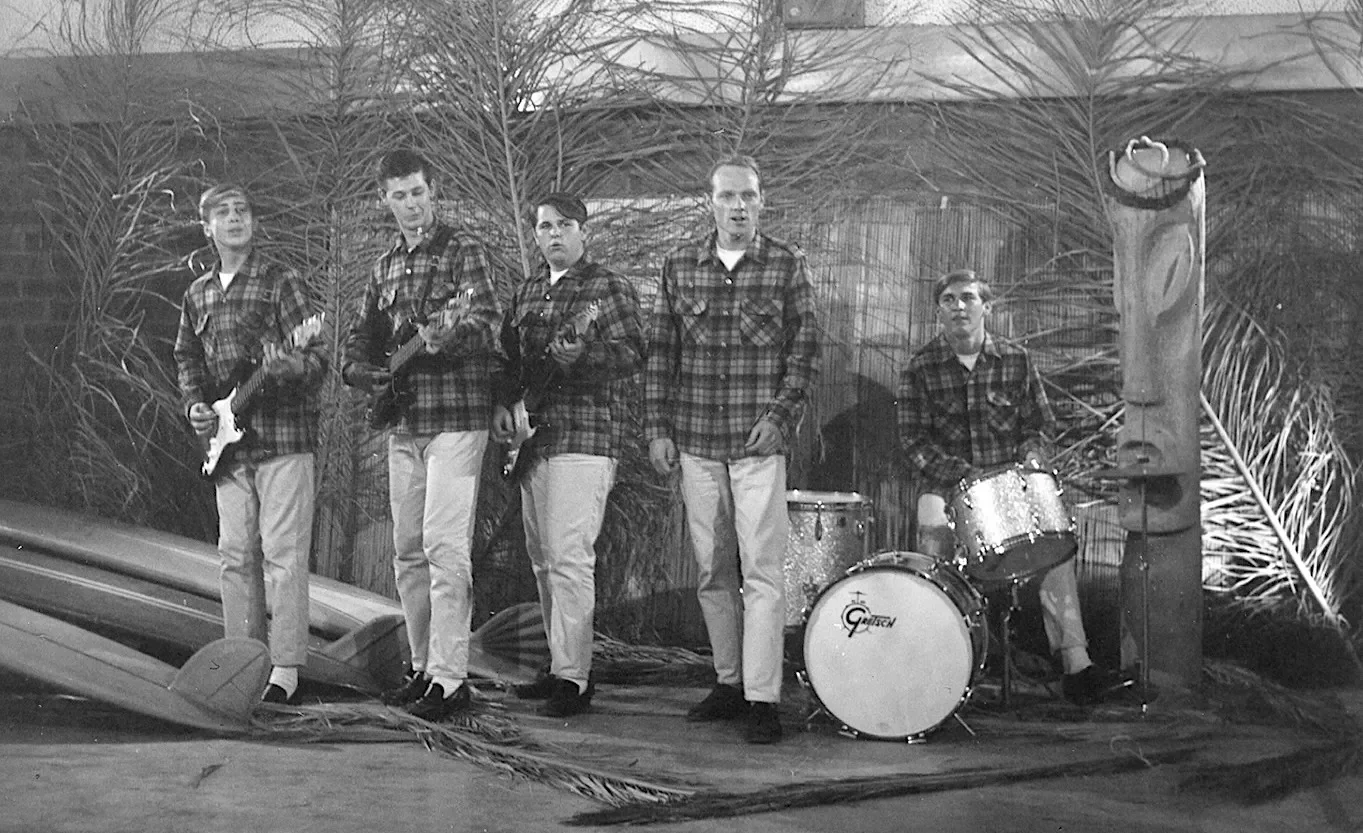
What began as a necessity in Scottish Highlands and American frontiers has undergone remarkable transformations. By the mid-20th century, the flannel shirt had transcended its blue-collar roots, hinting at a casual rebellion. Then came the 1990s Grunge movement, where the oversized, often faded flannel became the quintessential anti-fashion statement, an emblem of nonchalant cool in the Pacific Northwest and beyond.
Today, the flannel shirt continues its reign. It graces designer collections, warms coffee shop-goers, and remains a staple in wardrobes from Brooklyn to Bozeman. It’s a garment that effortlessly bridges gaps between demographics and dress codes, equally at home on a hiking trail or at a casual brunch.
The American flannel shirt, with its seemingly simple construction, carries within its fibers the echoes of Scottish clans, the resilience of Appalachian settlers, and the relentless march of American industry. It’s a testament to how cultural exchange, practical necessity, and a touch of rebellious spirit can transform a humble fabric into an enduring fashion icon—a truly American story woven from threads of the past.